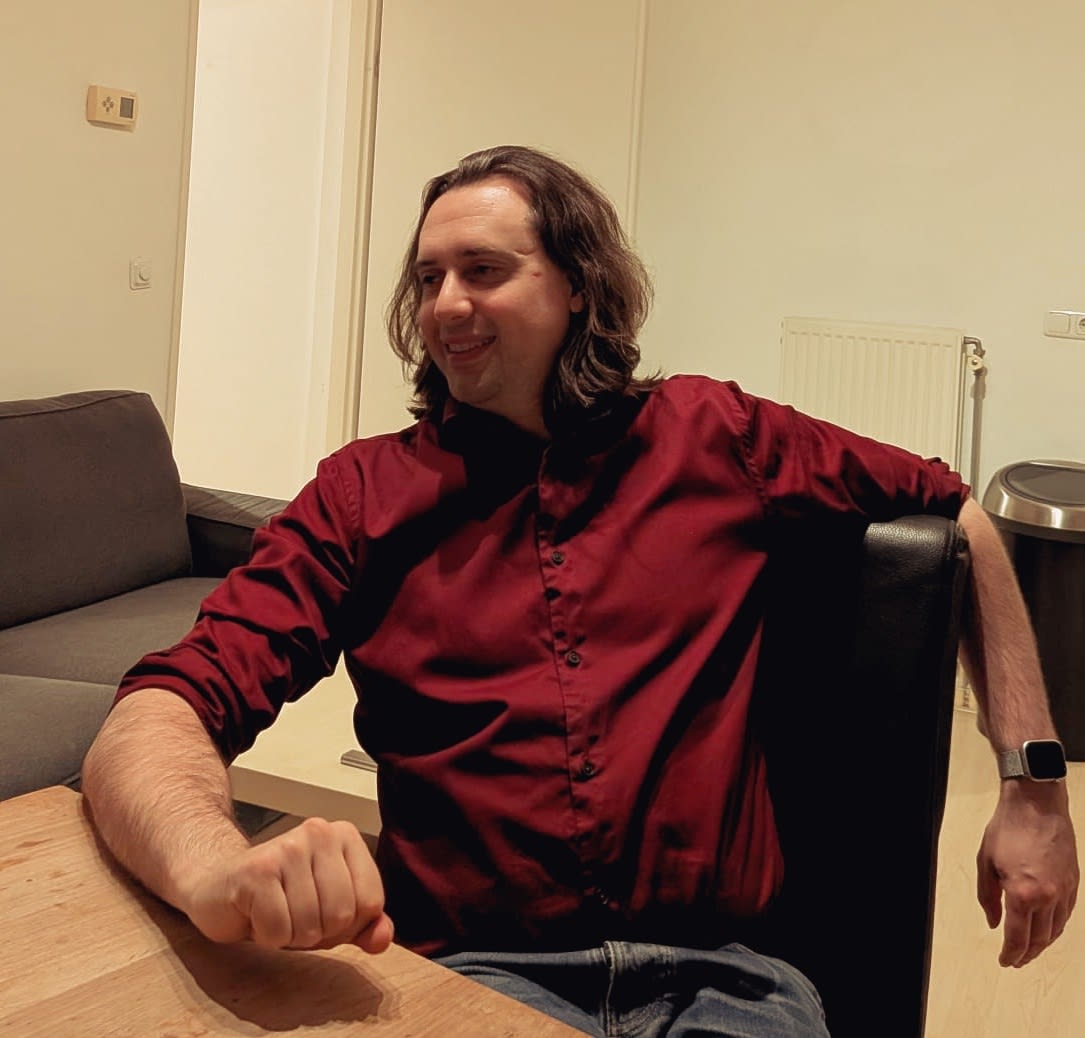
I'll be upfront with you. My academic career was, by most conventional standards, a bit of a detour. It started with aerospace engineering at TU Delft. Very technical, very university. It ended when calculus refused to cooperate one too many times and too many follow-up courses depended on it. So I did what any reasonable person would do: found the most technical thing I could study without advanced mathematics, which turned out to be information studies at the University of Amsterdam: a mix of IT and organisational sciences and how the two interact. Somewhere in the first year, I also started working as a developer on the side to finance my study habits. That got a little out of hand. Twelve years out of hand, to be precise. I finished my bachelor's, got most of the way through a master's in business information systems, and then made the pragmatic call to just start working full time. I also wasn't particularly looking forward to doing a master's thesis, if I'm being honest. So that was that.
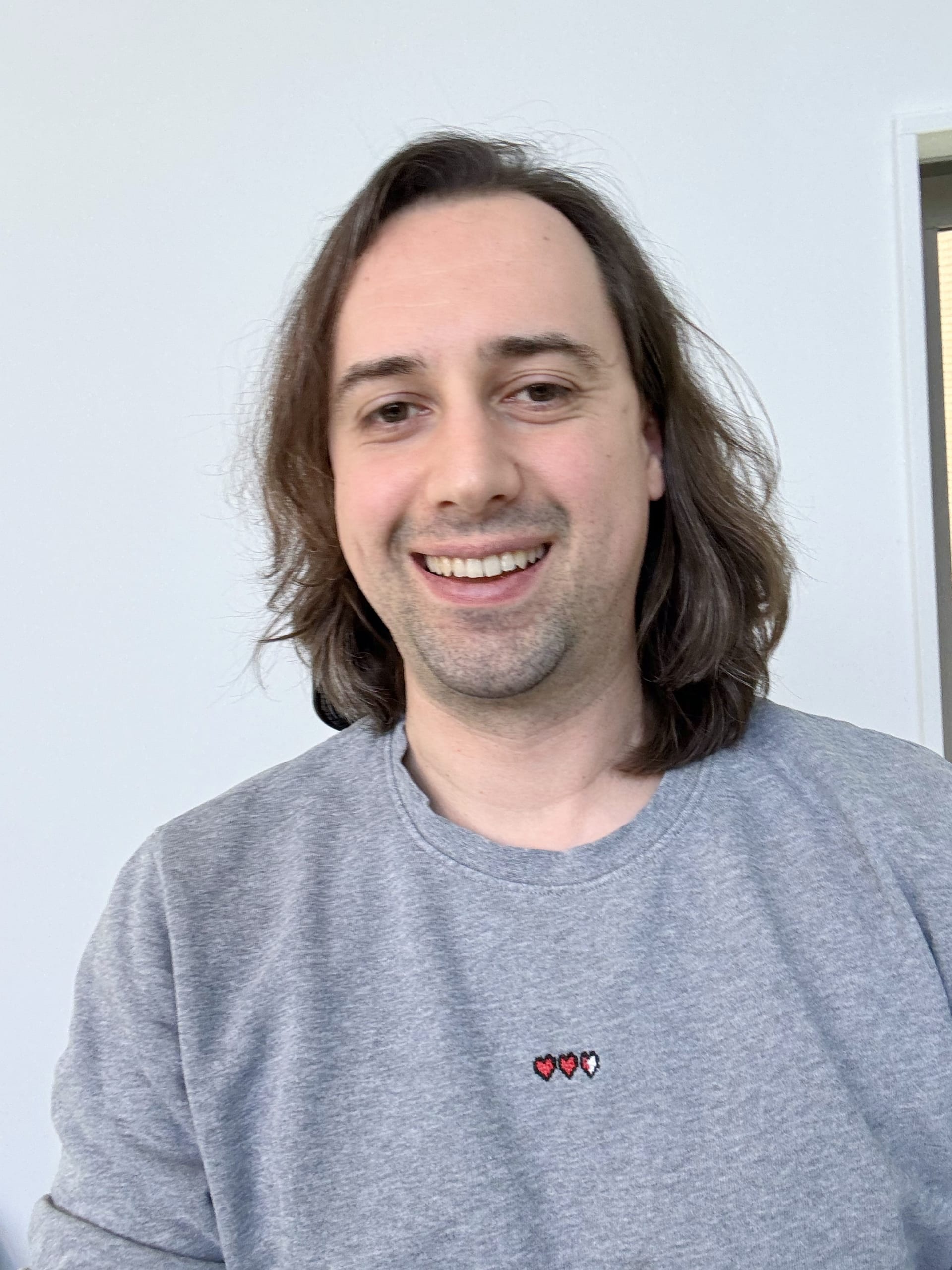
Now I'm 35, based in Amsterdam, and a front-end developer at Pionect. What I actually spend my days doing is untangling large, complex, slightly overwhelming enterprise projects and making them usable again. I like it. I can complain about it, but that's also part of why I like it. It needs to be a bit of a large challenge, otherwise it's not fun and AI could do my work for me by now.
What brought me to Pionect was pretty straightforward: I needed to stop collecting hats. At my previous job, the roles had stacked up until the weight of them became a bit much. I wanted to get back to what I actually enjoy: front-end development. It's the part of the job where structure isn't handed to you. You have to impose your own discipline, think creatively, and understand the people who will actually use what you're building. That last part matters more than most developers will admit. The idea of a developer sitting in a bunker only writing code is a bit outdated. Although I'll admit the days I do my best work are usually the days I'm sitting in a bunker writing code.

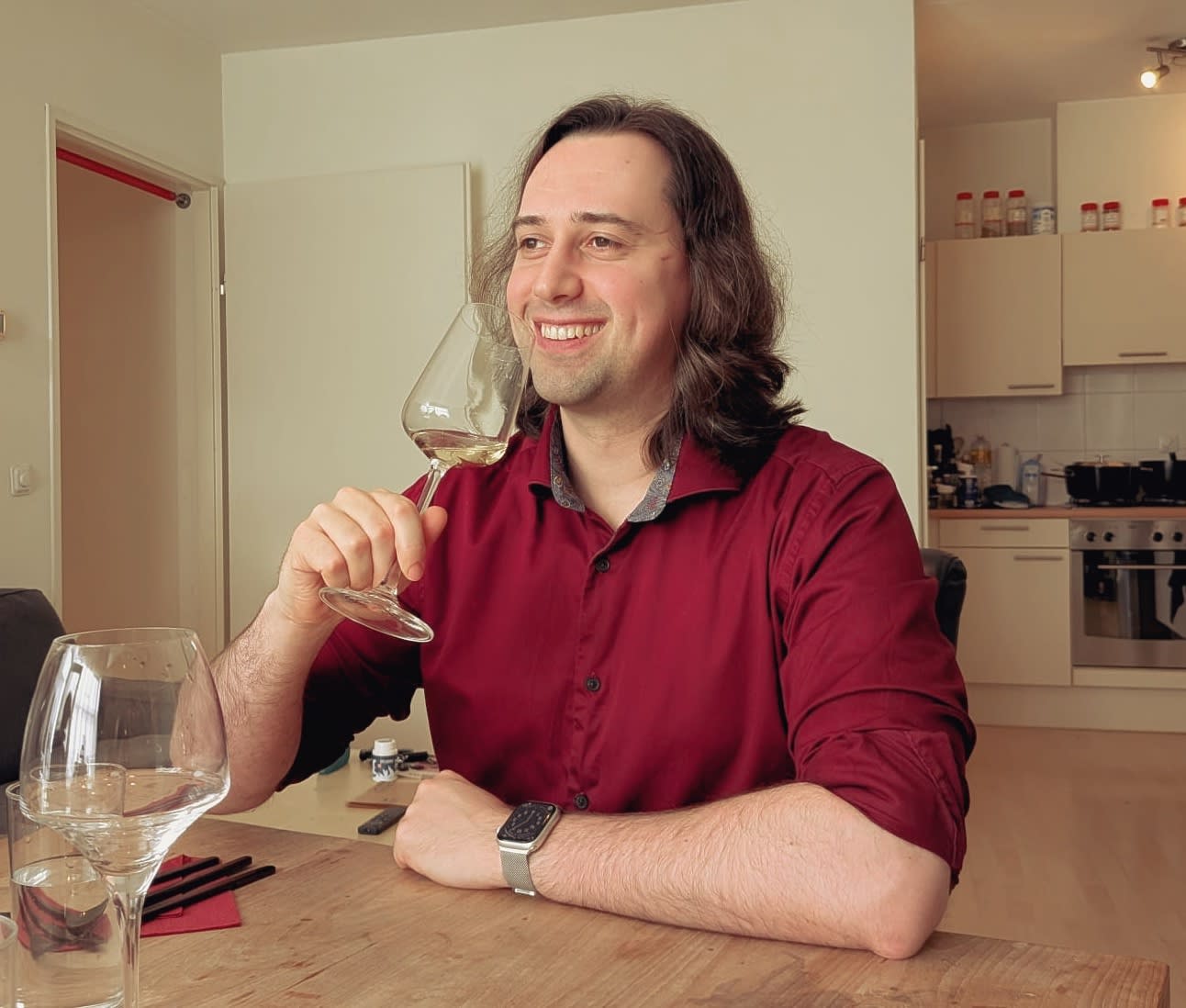
I like eating well. Not in a pretentious way, I just have high standards for what ends up on my plate, which at some point made it inevitable that I'd have to learn how to cook properly myself. That got a little out of hand too. The kind of out of hand where a group of friends challenges you to cook for them after you complain about a restaurant, and four years later they're still showing up at your door expecting a multi-course dinner. This year I'm reconstructing a French onion soup with porcini mushrooms instead of beef stock because half of them are vegetarian and then accompanying it with ratatouille and polenta cakes. On a completely unrelated note, I recently bought myself a new Dutch oven, it’s stainless steel and Rotterdam-made, actually it barely fits in my oven. That was a bit of a whoops.
When I'm not cooking or writing code, I try to stay sane in the usual ways. At the gym mostly, by the time I'm done, I don't have the energy to keep thinking about whatever was bothering me at work, which is the whole point. Occasionally also a museum or some kind of performance like ballet (not the most obvious choice), but there's something about experiencing things that are completely removed from a screen that I find genuinely refreshing.
If there's a thread running through all of it (the ten years of studying, the twelve years of working, the pivot back to what I actually enjoy, the overly large Dutch oven) it's probably that I've never been particularly interested in doing things the conventional way. Not out of rebellion, just out of a quiet preference for figuring out what actually works and doing that instead. That applies to code, to cooking, and to most things in between. What I try to live by is simple: be a little bit better every day. And if you don't manage it, that's fine. You try again tomorrow. The other thing, which I think is underrated, is being kind to yourself. It's easy to be your own harshest critic, especially in a job where the problems are never fully solved and there's always something more to fix.